
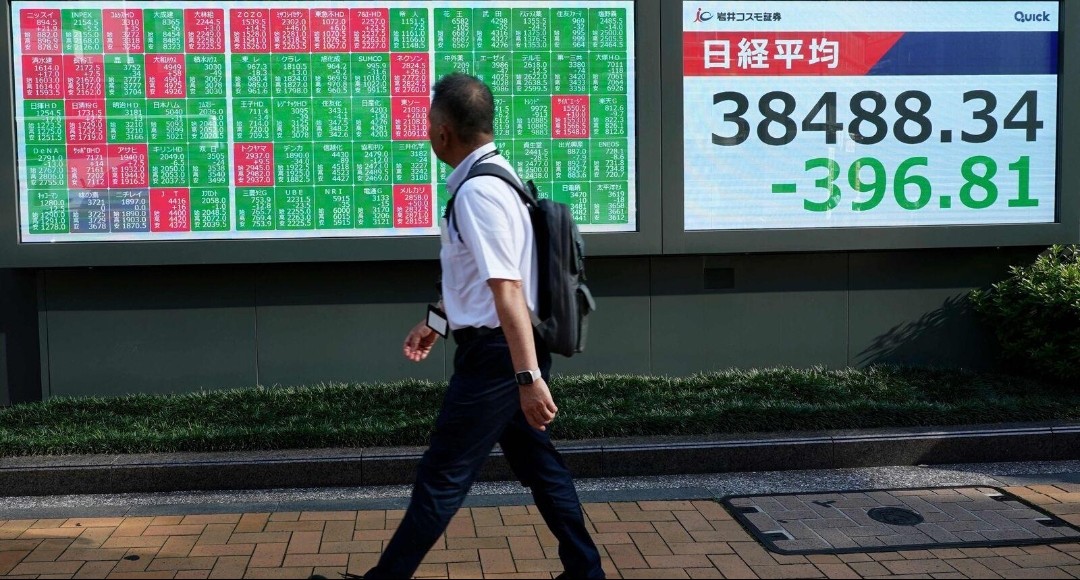
Global Oil Shock Sends Asian Markets Lower: Why a Price Surge in Energy Is Hitting Homes, Businesses, and Investors Across the Region
International News Special Report | 23 April 2026
Dr. H K Sethi
Introduction: When Oil Moves, the World Pays Attention
Across trading floors in Tokyo, Hong Kong, Singapore, Seoul, and Mumbai, screens flashed red as markets reacted to a sharp rise in oil prices and growing geopolitical uncertainty. Investors sold riskier assets, transport stocks came under pressure, and economists began recalculating inflation forecasts.
For some readers, stock market declines can feel like distant news affecting only bankers or wealthy investors. But the reality is far more personal. When oil prices rise, the effects often spread through transport, food delivery, manufacturing, electricity, travel, and household budgets.
That means a jump in crude oil is not just a financial headline. It can influence how much families pay for groceries, how much businesses spend to move goods, and how confident companies feel about hiring and expansion.
Today’s market weakness across Asia reflects a larger truth of the modern economy: energy remains deeply connected to daily life.
Why Oil Still Matters So Much
Many people assume the digital age has reduced dependence on oil. Yet despite advances in renewable energy and electric vehicles, oil remains central to the global economy.
It powers:
Trucks carrying food and goods
Ships moving international trade
Aircraft connecting countries
Industrial machinery
Petrochemical production
Agricultural logistics
Backup power systems in some regions
Even products not directly made from oil are often transported using fuel-intensive systems.
So when crude prices rise suddenly, costs ripple outward in many directions.
Why Asian Markets Reacted Quickly
Asia is home to some of the world’s largest energy-importing economies. Countries such as India, Japan, South Korea, and many Southeast Asian nations rely heavily on imported oil and gas.
That makes the region sensitive to any supply shock or shipping disruption.
When oil rises:
Import bills increase
Trade deficits may widen
Local currencies can face pressure
Inflation may rise
Central banks may delay rate cuts
Consumer confidence can weaken
This is why Asian markets often react quickly to Middle East tensions or supply concerns.
Inside the Trading Day
The reaction across markets was mixed but cautious.
Tokyo
Exporters and transport-related stocks faced pressure as investors considered higher fuel costs and a stronger risk-off mood.
Hong Kong
Property, retail, and consumer shares were watched closely amid concerns over spending weakness if inflation rises.
Seoul
Manufacturing-heavy sectors monitored cost pressures, particularly energy-intensive industries.
Mumbai
Indian investors focused on how higher crude could affect inflation, the rupee, and domestic fuel-sensitive sectors.
Singapore
As a trade hub, Singapore markets often reflect broader concerns over global shipping and regional commerce.
Even where indices moved only modestly, the mood was one of caution.
Human Story: The Office Worker
For an office employee commuting daily, rising oil can mean:
Higher bus or taxi fares
Increased delivery charges
More expensive food due to transport costs
Slower wage growth if employers cut costs elsewhere
The market drop may seem abstract, but the real-life impact can be practical and immediate.
Human Story: The Small Manufacturer
A medium-sized business producing furniture, packaging, textiles, or electronics may depend on imported materials and road transport.
When fuel rises:
Raw material delivery becomes costlier
Export shipping margins shrink
Pricing decisions become harder
Profitability declines
Some businesses absorb the cost. Others raise prices. Neither option is easy.
Human Story: The Farmer
Agriculture is also linked to fuel.
Farmers may face:
Higher diesel costs for machinery
Increased fertilizer transport expenses
More expensive supply chains to urban markets
This can eventually affect food prices in cities.
Why Investors Sell During Oil Shocks
Markets dislike uncertainty. When oil rises quickly because of geopolitical fear, investors worry about two major problems at once:
1. Inflation
Higher energy costs can raise prices across the economy.
2. Slower Growth
Consumers and businesses may spend less elsewhere if fuel bills rise.
This combination—higher prices and weaker growth—is particularly uncomfortable for investors.
Airlines Feel Pressure First
Airline shares often come under pressure during oil spikes because jet fuel is a major cost.
Potential consequences:
Higher ticket prices
Reduced promotional fares
Pressure on budget carriers
Lower travel demand
Families planning holidays may notice the impact before they understand the cause.
Shipping and Logistics Costs Rise
Asia depends heavily on maritime trade. If oil rises and shipping risks increase, logistics costs can climb.
This affects:
Imported electronics
Clothing
Packaged foods
Industrial inputs
Medical supplies in some cases
Globalization depends on efficient transport. Energy shocks test that system.
Why India Watches Crude Closely
India is one of the world’s largest oil importers. Higher crude prices matter for several reasons:
Fuel inflation
Pressure on the rupee
Wider import bill
Transport cost increases
Potential policy responses
For households, the impact may be seen in commuting costs and prices of delivered goods.
For policymakers, it becomes a balancing act between growth and inflation.
Why Japan Is Sensitive Too
Japan imports much of its energy. A sustained oil rise can:
Increase costs for manufacturers
Pressure consumers already managing living costs
Influence currency debates
Affect corporate profitability
Japan’s market often reacts sharply to external energy risks.
China’s Position
As a major industrial power and energy consumer, China watches oil carefully.
Higher prices can influence:
Factory margins
Export competitiveness
Transport systems
Domestic demand
However, China’s scale and policy tools sometimes help cushion immediate shocks.
Central Banks Face Tough Choices
If oil-driven inflation rises, central banks may hesitate to cut interest rates.
That creates a difficult situation:
Growth slows
Borrowing remains expensive
Households feel pressure
Markets become frustrated
This is one reason oil matters beyond petrol pumps—it can influence monetary policy.
Currency Markets Also React
Energy-importing countries sometimes see currency weakness when oil rises because they need more foreign currency to pay import bills.
A weaker currency can then make imports even more expensive.
This creates a second wave of inflation pressure.
Why Some Stocks Rise
Not every sector suffers equally.
Companies linked to:
Energy production
Oil services
Commodity exports
Defensive sectors
may sometimes benefit or outperform during oil shocks.
Markets rotate, rather than fall uniformly.
Consumer Psychology Matters
Sometimes the fear of inflation matters almost as much as inflation itself.
If families expect prices to rise, they may cut discretionary spending:
Dining out
Electronics purchases
Holiday bookings
Fashion spending
That can slow the wider economy.
What Happens Next Depends on Duration
Short Spike
If prices rise briefly and fall again, damage may be limited.
Multi-Week Pressure
Businesses begin repricing, consumers adjust spending, markets remain nervous.
Multi-Month Shock
Inflation and growth concerns become serious, with deeper policy implications.
Duration often matters more than one dramatic trading day.
Lessons for Businesses
Smart businesses often prepare for energy volatility through:
Hedging fuel exposure
Efficient logistics planning
Diversified suppliers
Dynamic pricing models
Cash reserves
Energy shocks reward resilience.
Lessons for Households
Families cannot control oil prices, but they can respond thoughtfully:
Review budgets
Compare travel timing
Reduce wasteful energy use
Avoid panic financial decisions
Stay informed, not alarmed
Economic headlines feel less frightening when understood clearly.
Can Renewable Energy Reduce This Problem?
Over time, yes.
More electric transport, solar power, battery storage, and diversified energy systems can reduce dependence on imported oil.
But transitions take time. Today’s markets still react strongly because oil remains deeply embedded in the world economy.
Voices From Across Asia
Common concerns heard whenever crude rises:
“Will fuel prices go up this week?”
“Should I delay travel plans?”
“Will groceries become more expensive again?”
“Why are markets falling if my salary is unchanged?”
“How long will this last?”
These questions show how macroeconomics becomes personal economics.
Possible Scenarios Ahead
1. Tensions Ease Quickly
Oil falls back. Markets recover. Confidence improves.
2. Prices Stay Elevated
Inflation concerns remain. Consumers become cautious.
3. Supply Disruption Grows
Markets weaken further, and policymakers face difficult choices.
4. Structural Shift
Countries accelerate energy diversification and strategic reserves planning.
Why Today’s Story Matters
Many people separate “market news” from “real life.” But that divide is misleading.
When oil rises and markets fall:
Borrowing conditions may change
Jobs can be affected
Travel costs move
Prices shift gradually
Business confidence weakens
Markets are not everything—but they often signal future pressures.
Conclusion: More Than a Trading Story
Today’s decline across Asian markets is not just about numbers on financial screens. It reflects concern over how rising energy costs can spread through economies and daily lives.
From factory owners to commuters, travelers to shopkeepers, oil remains one of the world’s most influential prices.
A barrel of crude traded in global markets can eventually shape the cost of dinner delivery, a train journey, or a family holiday.
That is why Asia—and the world—pays attention when oil surges.
Editor’s Note
The strongest economies are not those that avoid every shock, but those that adapt quickly. Energy volatility is a reminder that resilience, diversification, and stability remain valuable in uncertain times.