Strait of Hormuz Crisis Raises Global Fear: How One Waterway Could Impact Millions of Lives Worldwide
International News Special Report
Dr. H K Sethi
Introduction: A Narrow Waterway With Massive Global Importance
Far from the daily lives of most families, workers, students, and travelers lies a narrow stretch of water between Iran and Oman that quietly powers much of the modern world. It is called the Strait of Hormuz, and once again it has become the focus of global concern after rising military tensions and renewed fears over shipping safety.
For many readers, the name may sound distant or unfamiliar. Yet what happens there can directly affect petrol prices, airline tickets, grocery bills, business confidence, and financial markets in countries thousands of kilometers away. This is why even small incidents in the Strait often trigger international headlines and urgent diplomatic calls.
Today, the world is watching closely after reports of new confrontations and security threats in the region. Naval forces are on alert, shipping companies are cautious, and governments are preparing for possible economic consequences.
The Strait of Hormuz may appear small on a map, but it remains one of the most strategically important waterways on Earth.
What Is the Strait of Hormuz?
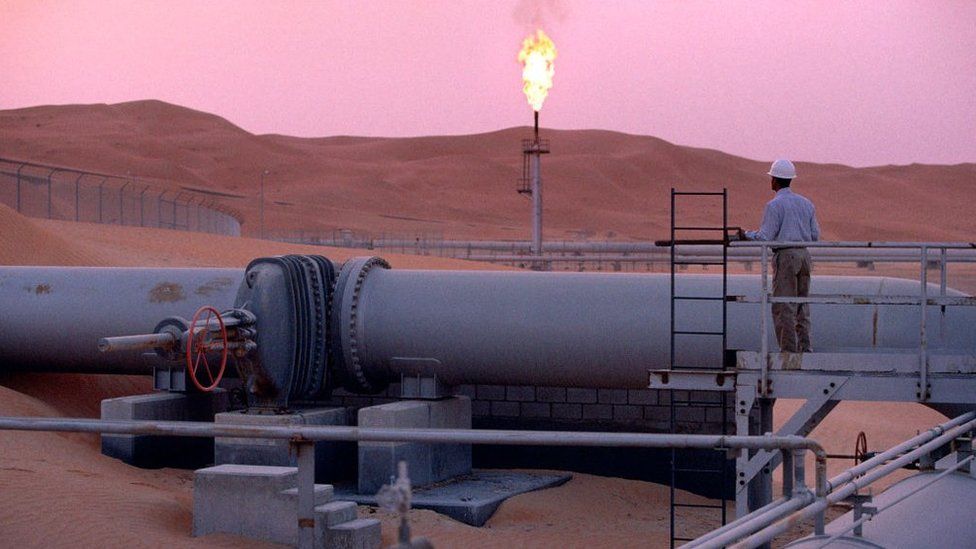
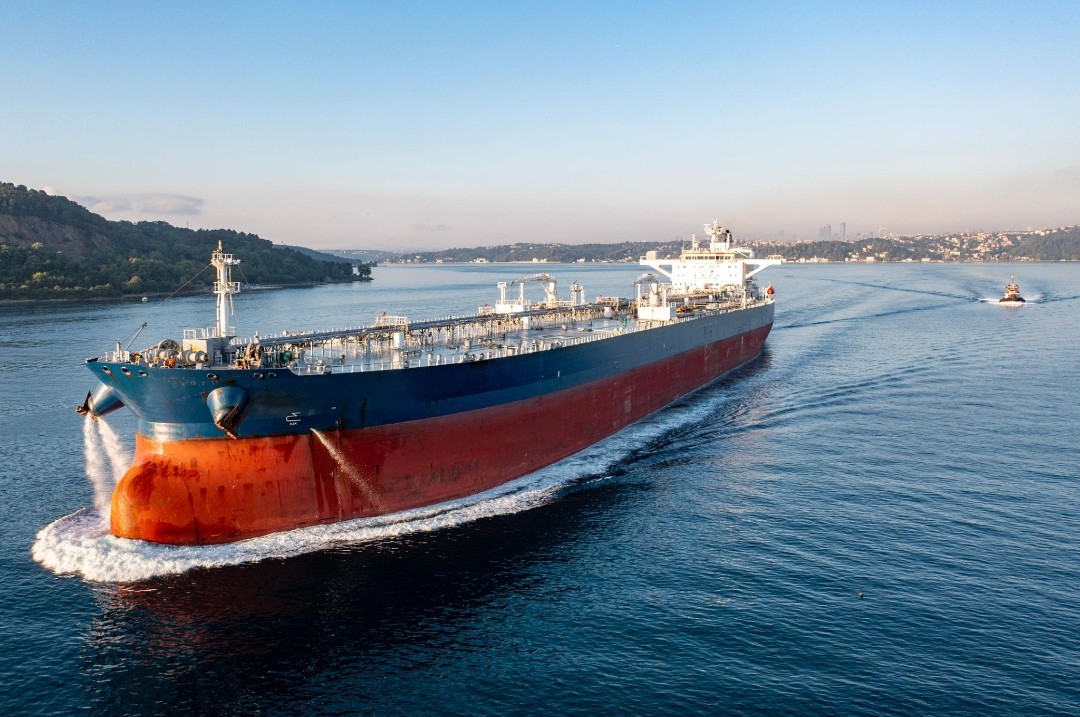
The Strait of Hormuz connects the Persian Gulf to the Gulf of Oman and then to the Arabian Sea. It is one of the world’s most critical maritime chokepoints. A significant share of global oil exports and liquefied natural gas shipments pass through it every day.
Countries such as Saudi Arabia, Iraq, Kuwait, the United Arab Emirates, Qatar, and Iran rely heavily on this route to move energy supplies to Asia, Europe, and beyond.
That means factories in India, transport systems in Europe, airlines in North America, and households in many nations are indirectly tied to safe passage through this narrow channel.
If ships are delayed, attacked, rerouted, or prevented from entering, energy markets react almost instantly.
Why Tensions Matter So Much
Global markets do not wait for a full crisis before reacting. Even the possibility of disruption can send oil prices upward because traders price in risk.
That creates a chain reaction:
Fuel becomes more expensive
Airlines face higher operating costs
Shipping costs rise
Food and consumer goods may become costlier
Inflation pressure increases
Central banks may delay interest rate cuts
Stock markets may become volatile
For ordinary people, these events are rarely seen as a single dramatic moment. Instead, they arrive slowly—in monthly budgets, transport expenses, and rising prices at the supermarket.
This is why geopolitical tension in a faraway sea lane matters deeply to families everywhere.
Human Story: The Taxi Driver, the Shopkeeper, the Traveler
To understand the true impact of such crises, look beyond oil charts and naval maps.
The Taxi Driver
In many cities around the world, taxi and rideshare drivers operate on tight margins. If fuel prices rise sharply, daily earnings shrink. Some must work longer hours to make the same income.
The Small Shopkeeper
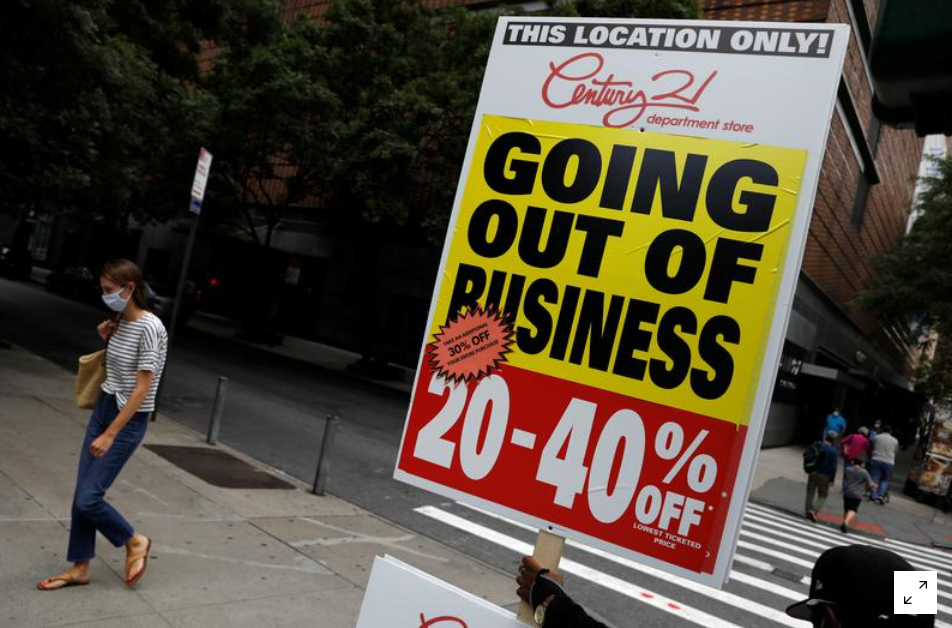
Retailers depend on transport networks. If shipping costs increase, imported products—from electronics to packaged foods—may cost more. Shopkeepers then face a painful choice: absorb losses or raise prices.
The Family Traveler
Families planning vacations may discover flights suddenly cost more. Budget holidays become expensive, and some trips are postponed entirely.
The Student Abroad
International students living on fixed budgets may face higher living costs in transport and food, especially in import-dependent countries.
These stories show that strategic waterways are not just about warships—they are about real people.
Why the Strait Has Been a Flashpoint for Decades
The Strait of Hormuz has long been linked to political rivalry, sanctions disputes, military presence, and regional power struggles.
Over the years, there have been:
Ship seizures
Attacks on tankers
Drone incidents
Naval stand-offs
Diplomatic threats to close or restrict passage
Because so many nations depend on the route, tensions there quickly become international issues rather than local disputes.
Global powers often deploy naval forces nearby to deter attacks and reassure commercial shipping.
Why Asia Is Especially Sensitive
Asian economies are among the largest importers of Gulf energy supplies. Nations such as India, China, Japan, and South Korea watch developments in the Strait extremely closely.
If energy flows are disrupted:
Manufacturing costs may rise
Power generation may become more expensive
Inflation can increase
Trade balances may weaken
For emerging economies, sudden energy shocks can be particularly painful because they affect currency stability and consumer prices at the same time.
Impact on India and Developing Nations
Countries like India are especially aware of such risks because fuel prices affect transportation, agriculture, logistics, and daily household budgets.
When oil prices rise:
Bus and truck transport may become costlier
Food distribution expenses can increase
Inflation pressure can build
Government subsidy burdens may grow
Developing nations with weaker currencies can suffer more because they pay more in local currency terms for imported oil.
Thus, a shipping risk in the Gulf can become a kitchen-table issue in South Asia or Africa.
How Markets Usually React
Financial markets respond in predictable stages.
Stage 1: Immediate Shock
Oil prices jump. Airline stocks fall. Shipping insurance costs rise.
Stage 2: Wait and Watch
Investors ask whether the disruption is temporary or prolonged.
Stage 3: Broader Economic Concern
If tensions continue, concerns spread to inflation, interest rates, and growth.
Stage 4: Relief or Escalation
If diplomacy works, prices ease. If conflict deepens, markets can worsen rapidly.
This cycle explains why traders react strongly even before physical shortages appear.
Shipping Companies Under Pressure
Commercial shipping firms face difficult decisions during such crises.
They may need to:
Reroute vessels
Delay departures
Pay higher insurance premiums
Hire extra security measures
Pass costs to customers
These expenses eventually move through the supply chain, affecting everything from electronics to food products.
Even if no ship is physically damaged, fear itself can become expensive.
Airline Industry Concerns
Airlines are highly sensitive to fuel prices. Jet fuel is one of their largest operating costs.
When crude oil rises sharply:
Budget carriers may raise fares
Some routes may be reduced
Promotional pricing may disappear
Holiday travel becomes more expensive
Travelers often notice geopolitical tension not through news reports—but through the price of plane tickets.
Can the World Replace This Route?
Some pipelines and alternative export routes exist, but they cannot fully replace the Strait of Hormuz in the short term.
That means the world still depends heavily on this narrow passage despite decades of efforts to diversify transport networks.
Energy security strategies have improved, but the Strait remains essential.
Diplomatic Efforts Continue
Whenever tensions rise in the region, global diplomacy intensifies quickly.
Typical responses include:
Calls for restraint
Emergency talks
Naval coordination
Back-channel negotiations
Appeals from the United Nations and major powers
Even rivals often understand that a full disruption would hurt many countries, including themselves.
This mutual vulnerability sometimes helps prevent worse outcomes.
Environmental Risks of Conflict
A major maritime incident could also create environmental damage.
Oil spills, burning tankers, and military conflict at sea can harm marine ecosystems, coastlines, fisheries, and local communities.
Thus, protecting the Strait is not only about economics—it is also about environmental responsibility.
Why Ordinary Citizens Should Pay Attention
Many people ignore foreign policy stories because they feel distant. But some international developments are deeply practical.
The Strait of Hormuz affects:
Cost of commuting
Price of flights
Inflation trends
Business confidence
Job creation in trade sectors
Investment markets
Understanding these links helps citizens make sense of why local prices sometimes rise due to global events.
What Could Happen Next?
Several scenarios are possible.
1. Rapid De-escalation
Diplomacy reduces tensions. Shipping stabilizes. Oil prices cool.
2. Low-Level Standoff
Military alert remains high, but trade continues under tension.
3. Repeated Incidents
Minor attacks or seizures keep markets nervous for months.
4. Major Escalation
A serious conflict disrupts shipping and shocks the global economy.
Most governments hope to avoid the fourth scenario at all costs.
Lessons for the Future
This crisis highlights long-term global challenges:
Heavy dependence on chokepoints
Need for renewable energy transition
Fragile supply chains
Interconnected inflation risks
Importance of diplomacy over confrontation
The more diversified the world’s energy system becomes, the less power any single chokepoint will hold.
Voices From Around the World
Citizens in many countries often share the same concerns during such moments:
“Will petrol become more expensive?”
“Should I book flights now?”
“Will food prices rise again?”
“Could this lead to a bigger war?”
“Why does one region affect everyone?”
These are reasonable questions—and they reveal how connected the world truly is.
Conclusion: A Small Passage With Global Consequences
The Strait of Hormuz is not just a strategic waterway for governments and militaries. It is part of the invisible system that powers daily life across continents.
When tension rises there, people everywhere may eventually feel it—at petrol pumps, airports, supermarkets, and financial markets.
That is why the world is watching closely today.
A narrow stretch of sea between two coastlines continues to remind humanity of a larger truth: in a connected world, no crisis remains local for long.
Editor’s Note
If current tensions ease quickly, the economic damage may be limited. But if uncertainty continues, the psychological effect on markets alone could be significant.
For millions of ordinary people, peace in the Strait of Hormuz is not an abstract geopolitical concept—it is economic stability at home.