Middle East Diplomacy Intensifies: Why Global Leaders Are Racing to Prevent a Wider Crisis
International News Special Report: Dr. H K Sethi Politics | War | Global Affairs
Middle East Diplomacy Intensifies in 2026 | Global Leaders Race to Prevent Wider Crisis
Description
World leaders step up diplomatic efforts amid Middle East tensions as fears grow over oil prices, security risks, and regional stability. Full international report.
Introduction: When Diplomacy Becomes Urgent
In moments of rising geopolitical tension, diplomacy often moves quietly—but urgently.
Today, officials across multiple capitals are holding calls, emergency meetings, intelligence briefings, and back-channel negotiations as concern grows over instability in the Middle East. Governments are attempting to prevent military escalation that could affect regional security, energy markets, trade routes, and civilian lives.
For many ordinary people, diplomacy can seem abstract compared with dramatic battlefield headlines. Yet history repeatedly shows that conversations behind closed doors often matter more than statements made in public.
A successful phone call can prevent a missile launch. A negotiated pause can save lives. A coordinated statement can calm markets.
That is why the world is watching diplomacy as closely as troop movements.
Why the Middle East Matters Globally
The region remains strategically important because of its influence on:
Global oil and gas supply
Maritime trade routes
Aviation corridors
Regional alliances
Security partnerships
Refugee flows
Financial market confidence
Events there often carry worldwide consequences.
A local escalation can quickly affect petrol prices in Asia, inflation in Europe, and investor confidence in North America.
Human Story: The Parent in a Conflict Zone
For civilians living near tension zones, geopolitical analysis means little compared with daily realities.
A parent worries about:
Whether schools will open
Whether roads are safe
Whether electricity remains stable
Whether family members can travel
For millions, diplomacy is not theory. It is the difference between fear and normal life.
Human Story: The Worker Abroad
Many people from South Asia, Africa, and Southeast Asia work in Middle Eastern economies.
When tensions rise, their families elsewhere worry about:
Job security
Remittances
Safety
Possible travel disruption
A regional crisis can become a household crisis thousands of kilometers away.
Why Global Leaders Are Acting Fast
Leaders understand several risks of delay:
1. Miscalculation
Small incidents can spiral if misunderstood.
2. Economic Shock
Oil spikes and market volatility hurt many countries.
3. Humanitarian Costs
Civilian suffering can rise quickly.
4. Alliance Pressures
Partner nations may be drawn into broader confrontation.
Because of these risks, early diplomacy is often the cheapest and safest option.
What Diplomacy Looks Like in Real Time
Publicly, diplomacy may appear slow. Privately, it can move rapidly.
Typical actions include:
Calls between heads of government
Military deconfliction channels
Intelligence sharing
Quiet mediation through third countries
Emergency multilateral meetings
Draft ceasefire language
Not all diplomacy happens at podiums.
Often the most important work is invisible.
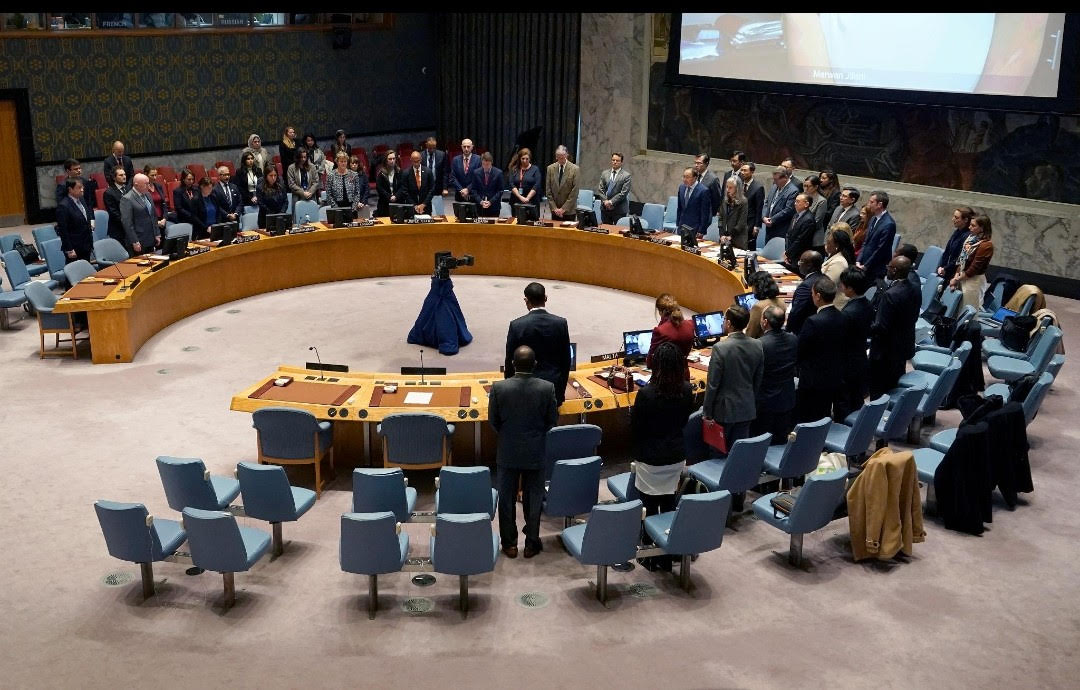
The Role of the United Nations
The United Nations often becomes a focal point during crises.
Its value includes:
Neutral meeting space
International legitimacy
Humanitarian coordination
Global messaging pressure
While critics question effectiveness, the UN remains one of the few places rivals can still talk.
Why Markets React to Diplomacy
Financial markets watch diplomatic signals carefully.
Positive signs:
Emergency talks announced
Ceasefire proposals
Joint statements
Reduced military rhetoric
Negative signs:
Evacuations
Threat escalations
Route closures
Failed negotiations
Sometimes one sentence from a leader can move oil and stock markets worldwide.
Impact on Oil and Trade
The Middle East influences critical energy flows.
If tensions rise significantly:
Oil prices may climb
Shipping insurance rises
Freight routes become uncertain
Airline costs increase
That means diplomacy can protect household budgets as much as it protects borders.
Why India Watches Closely
India has strong reasons to monitor developments:
Energy imports
Large diaspora workforce in the region
Trade connections
Currency and inflation sensitivity
Stability in the Middle East directly benefits India’s economy and citizens.
Why Europe Is Concerned
Europe faces concerns over:
Energy prices
Refugee pressures in severe scenarios
Shipping routes
Security alliances
European governments therefore often support urgent de-escalation.
The United States and Major Powers
United States, China, and other powers monitor the region due to:
Strategic partnerships
Trade stability
Military presence
Energy markets
Even competitors often share one goal during crises: prevent uncontrolled escalation.
Human Cost of Delay
When diplomacy fails or moves too slowly, consequences may include:
Civilian casualties
Infrastructure damage
Economic collapse in affected zones
Long displacement crises
Generational trauma
This is why early negotiation matters so much.
Can Back-Channel Talks Work?
Yes. Many historic breakthroughs began privately.
Back-channel diplomacy allows:
Face-saving compromise
Honest discussion
Testing ideas without public pressure
Gradual trust-building
Public politics can be rigid. Private talks can be flexible.
What Citizens Around the World Are Asking
Common concerns include:
Will fuel prices rise again?
Could this become a larger war?
Is travel to the region safe?
Will markets fall further?
Why can leaders not resolve tensions faster?
These questions show how international crises affect everyday life.
Possible Scenarios Ahead
1. Rapid De-escalation
Talks succeed, rhetoric softens, markets calm.
2. Controlled Tension
High alert remains, but no major escalation.
3. Repeated Flashpoints
Small incidents keep nerves high for weeks.
4. Wider Conflict
A dangerous scenario most governments want to avoid.
Why Communication Matters
Sometimes conflict grows from misunderstanding rather than intent.
Hotlines, envoys, and military communication channels can prevent accidental escalation.
Silence can be risky.
Lessons for the Future
This moment reminds the world that:
Regional crises have global consequences
Energy dependence creates vulnerability
Diplomacy should begin early, not late
Civilian lives must remain central
Peace is often less dramatic than war—but far more valuable.
Why This Story Matters to Your Readers
Even if readers live far from the region, they may feel effects through:
Petrol prices
Travel costs
Market volatility
Employment confidence
Food and delivery inflation
Geography no longer limits consequences.
Conclusion
As tensions rise, the most important movement may not be military hardware—but diplomats moving between capitals, phone lines, and negotiation rooms.
Their work is less visible, less dramatic, and often underappreciated.
Yet it may determine whether millions wake up to stability—or a larger crisis.
That is why diplomacy matters today.
Editor’s Note
History often remembers wars loudly. It remembers successful diplomacy quietly.
But for ordinary families hoping for peace and economic stability, quiet success may be the better headline.