World Cup Controversy : When Politics Meets Football, Fans Around the World Ask—Should Sport Stay Neutral?
International News Special Report: Dr. H K Sethi
Introduction: A Game Loved by Billions, Now at the Center of Debate
Football has long been called “the world’s game.” It is played in crowded city streets, dusty village grounds, elite stadiums, and school playgrounds across continents. It unites people who may not share language, culture, or politics—but who share passion.
Yet today, football finds itself once again at the intersection of sport and global politics.
Reports suggesting that Italy could replace Iran at an upcoming FIFA World Cup have sparked intense debate among fans, players, officials, and commentators worldwide. The idea has been met with mixed reactions—some arguing for political accountability, others insisting that sport must remain neutral.
For millions of supporters, this is not just about qualification rules. It is about fairness, identity, and whether football can truly remain separate from global tensions.
What Sparked the Debate?
The controversy began after discussions emerged about Iran’s participation in the World Cup amid ongoing geopolitical tensions. Some voices suggested that if circumstances prevent Iran from participating, another team—reportedly Italy—could be considered as a replacement.
Italy, one of football’s historic giants, failed to qualify through the usual competitive route. This proposal raised questions:
Should a non-qualified team be allowed entry?
Can politics override sporting merit?
Who decides such extraordinary changes?
Football authorities and Italian representatives reportedly rejected the idea, emphasizing that qualification should be based on performance, not political adjustments.
Yet the conversation has already ignited strong global reactions.
Human Story: The Iranian Fan
In Tehran, a young football fan wearing his national team jersey watches the debate unfold with concern. For him, the World Cup is not about politics—it is about pride, dreams, and belonging.
He remembers watching past tournaments with family, cheering for players who represent his country on the world stage. The possibility of exclusion feels deeply personal.
For millions of fans like him, football is one of the few global platforms where they feel seen and represented.
Human Story: The Italian Supporter
In Rome, an Italian supporter reacts differently. Italy has a rich football legacy, with multiple World Cup victories. Missing qualification has been painful for fans who believe their team belongs among the best.
Some supporters feel a sense of injustice, arguing that a team with such history should not be absent. Others, however, insist that rules must remain consistent, regardless of reputation.
This divide reflects a broader question: Should legacy matter, or only current performance?
Why Football and Politics Often Collide
Sport and politics have rarely been completely separate.
Historically:
Nations use sport to showcase identity and strength
Governments sometimes influence participation
International tensions can affect tournaments
Athletes may become symbols of national pride
From Olympic boycotts to football sanctions, sport has often mirrored global realities.
The World Cup, being the most watched sporting event on Earth, naturally becomes part of these conversations.
FIFA’s Role and Responsibility
FIFA, football’s governing body, faces a complex challenge.
Its responsibilities include:
Ensuring fair competition
Protecting the integrity of qualification
Managing political pressures
Maintaining global participation
Decisions must balance legal rules, ethical concerns, and public perception.
If FIFA alters qualification criteria under pressure, it risks damaging trust. If it ignores geopolitical realities, it may face criticism from governments and international bodies.
This delicate balance defines modern sports governance.
The Principle of Sporting Merit
At the heart of the debate lies a simple but powerful principle: sporting merit.
Qualification systems are designed to ensure that:
Teams earn their place through performance
Competition remains fair
Fans trust the outcome
If exceptions are made, even for extraordinary reasons, it raises questions about fairness.
Players who worked hard to qualify may feel undermined. Fans may question legitimacy. Future tournaments could face similar demands.
Fans Speak: A Global Conversation
Across social media and fan forums, reactions have been intense.
Common sentiments include:
“Football should stay out of politics.”
“Global issues cannot be ignored.”
“Rules must apply equally to all teams.”
“Fans should not suffer for political decisions.”
“This sets a dangerous precedent.”
The diversity of opinions reflects the global nature of football itself.
The Emotional Power of the World Cup
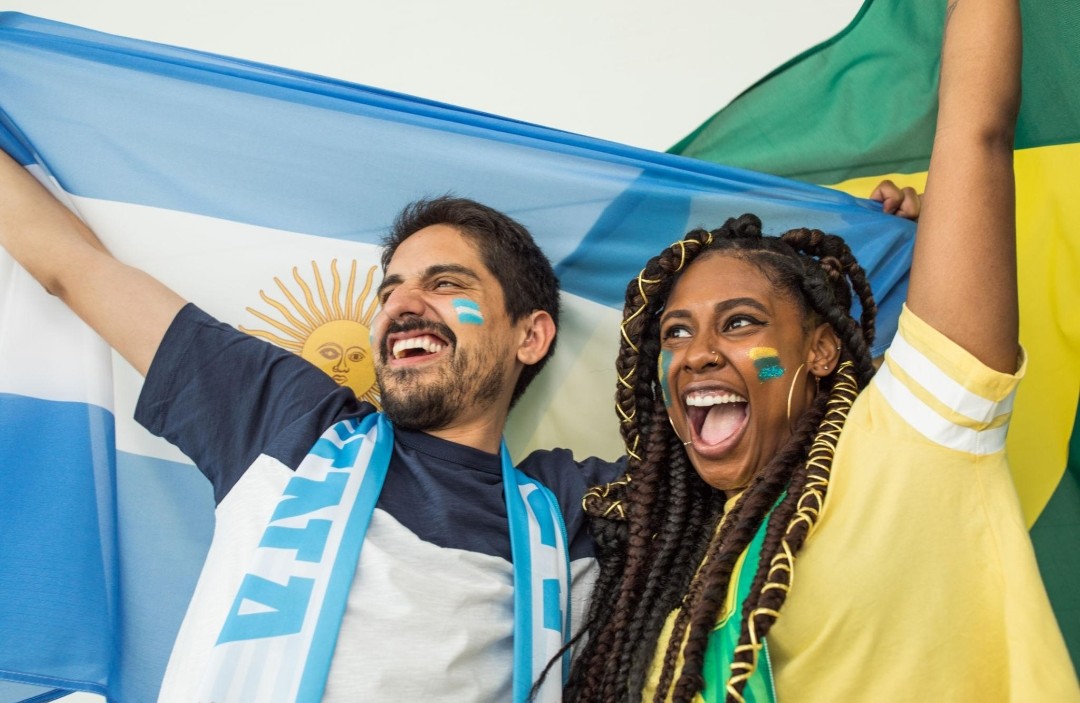
The FIFA World Cup is more than a tournament. It is a cultural phenomenon.
For fans:
It brings families together
It creates lifelong memories
It inspires young players
It unites nations temporarily
For smaller or politically isolated countries, participation can be especially meaningful.
It offers visibility, pride, and a chance to compete on equal footing with global powers.
Impact on Players
Players are often caught in the middle of such controversies.
They train for years to reach the World Cup stage. For them:
Selection is the result of hard work
Participation is a career milestone
Exclusion can be devastating
Athletes rarely control political decisions, yet they often bear the consequences.
This creates a difficult situation where personal dreams intersect with global realities.
Sponsors and Broadcasters Watch Closely
Major tournaments involve billions of dollars in sponsorship and broadcasting rights.
Companies associated with the World Cup prefer:
Stability
Predictability
Positive global image
Controversies can create reputational risks and uncertainty.
Broadcasters must also navigate audience sentiment, especially in regions affected by decisions.
Could This Change Future Tournaments?
If such debates lead to actual changes in qualification rules, it may influence how future tournaments are structured.
Possible long-term effects:
Greater scrutiny of host and participant nations
More political influence in sports decisions
Pressure for transparent governance
Calls for independent oversight
Football’s global popularity ensures that any precedent will be closely examined.
The Role of Fans in Modern Football
Today’s fans are more informed and vocal than ever.
Through digital platforms, they:
Influence public debate
Shape narratives
Hold organizations accountable
This means governing bodies cannot ignore fan sentiment.
The modern World Cup is not just organized by institutions—it is shaped by global public opinion.
Lessons From History
Football has faced similar dilemmas before.
Past incidents include:
Teams excluded due to sanctions
Political boycotts
Controversial hosting decisions
Each situation has tested the boundaries between sport and politics.
The current debate continues this long-standing tension.
Why Neutrality Is Hard to Maintain
Many believe sport should remain neutral. However, true neutrality is difficult because:
Teams represent nations
Governments support participation
Global events influence decisions
Media narratives shape perception
Even silence can be seen as a stance.
This makes neutrality a goal rather than an absolute reality.
The Cultural Importance of Football
Beyond competition, football represents:
Identity
Unity
Expression
Hope
For some countries, especially those facing challenges, the World Cup offers a rare moment of collective pride.
This is why decisions about participation carry emotional weight far beyond the field.
What Happens Next?
Several outcomes are possible:
1. Status Quo Maintained
Iran participates as qualified, and no changes are made.
2. Political Pressure Increases
Debate continues, but no formal action is taken.
3. Extraordinary Decision
Unlikely but possible—FIFA makes a controversial adjustment.
4. Long-Term Reform
Future qualification rules may include clearer guidelines for such situations.
Most experts expect the first scenario, but uncertainty remains.
Voices From the Football Community
Players, coaches, and analysts often emphasize:
Fair competition
Respect for rules
Unity through sport
At the same time, they acknowledge that football does not exist in isolation from global events.
This dual reality shapes every major decision.
Why This Story Matters to Everyone
Even for those who are not football fans, this story highlights broader issues:
Fairness vs. flexibility
Global governance challenges
Impact of politics on everyday passions
Power of international institutions
Football becomes a lens through which we understand the world.
Conclusion: More Than Just a Game
The debate over World Cup participation is not just about one team or one tournament. It reflects deeper questions about fairness, identity, and the role of sport in a complex world.
Football has the power to unite billions—but it also exists within the same global tensions that shape politics and society.
As fans continue to debate and officials consider their options, one thing remains clear:
The world cares deeply about football—not just as a game, but as a symbol of connection.
Editor’s Note
In times of division, sport often reminds us of shared humanity. Whether or not politics should influence football, the passion of fans worldwide proves that the game still holds a unique place in global culture.