
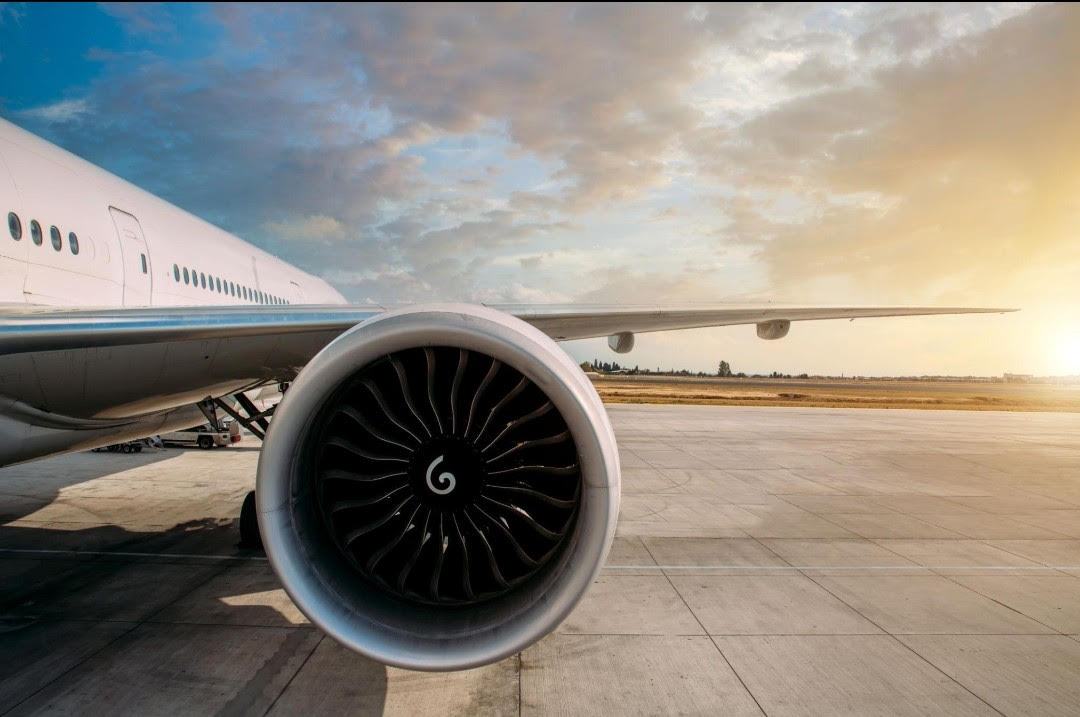
Airlines Cut Flights as Fuel Prices Soar: How Rising Oil Costs Could Change Travel Plans for Millions Worldwide
International News Special Report: Dr. H K Sethi
Introduction: The Hidden Cost Behind Every Flight
For many travelers, booking a flight begins with excitement. It may mean a long-awaited family holiday, a student returning home, a business opportunity abroad, or the chance to reunite with loved ones after months apart.
But behind every boarding pass lies a reality many passengers rarely think about: fuel.
Jet fuel is one of the largest expenses for airlines, and when global oil prices rise sharply, the impact can move quickly through the aviation industry. Today, several major carriers are reviewing routes, reducing some services, and warning that sustained fuel increases may lead to higher ticket prices.
For millions of ordinary people, that means travel plans could become more expensive, less flexible, or harder to arrange.
This is not just an airline story. It is a story about family budgets, tourism jobs, business mobility, and how global events shape personal choices.
Why Fuel Matters So Much to Airlines
Airlines operate on narrow margins compared with how large and glamorous the industry may appear.
Major costs include:
Aircraft leasing or ownership
Staff salaries
Maintenance
Airport fees
Technology systems
Insurance
Fuel
Fuel can become one of the most volatile expenses because it depends on global oil markets, refining capacity, currency rates, and geopolitical risks.
When fuel rises suddenly, airlines cannot instantly redesign their business model. They must respond quickly using pricing, scheduling, and route decisions.
What Is Happening Now?
With oil prices climbing amid geopolitical uncertainty, airlines in several regions are assessing their operating costs.
Common early responses include:
Reducing less profitable routes
Delaying expansion plans
Increasing fares on busy sectors
Cutting promotional discounts
Reviewing aircraft deployment
Even if airlines do not announce dramatic measures immediately, internal planning often begins as soon as fuel markets move sharply.
Human Story: The Family Vacation
A family planning a summer holiday checks flight prices every week. Last month, tickets seemed affordable. This week, fares are significantly higher.
They now face choices:
Delay the trip
Choose a closer destination
Reduce hotel budget
Travel on less convenient dates
What appears on a market chart as “higher energy prices” becomes a very personal household decision.
Human Story: The Student Abroad
An international student studying far from home hopes to visit family during break.
But rising fares mean:
Postponed travel
Financial stress
Fewer available direct routes
Tougher budgeting choices
For students and migrant workers, flights are not luxuries. They are lifelines.
Human Story: The Small Business Owner
A business owner who relies on air travel to meet suppliers or clients may suddenly see costs rise across multiple trips.
That can mean:
Fewer in-person meetings
Slower expansion
More virtual calls
Reduced networking opportunities
Air travel supports far more than tourism—it supports commerce.
Why Airlines Cut Flights
When costs rise, airlines often reduce flights for practical reasons.
1. Weak Demand Routes Become Risky
Routes with inconsistent passenger loads may no longer be profitable.
2. Aircraft Need Reallocation
Planes may be shifted to stronger, higher-demand destinations.
3. Cost Control
Fewer flights can reduce operating losses during uncertain periods.
4. Pricing Power
Reduced supply can help airlines maintain higher fares.
This is a business response—but it affects communities and passengers.
Which Routes Are Most Vulnerable?
Typically, the first routes at risk are:
Seasonal holiday services
Low-demand regional routes
Highly competitive routes with low margins
Late-night or low-occupancy schedules
Essential hubs and high-demand business corridors are often protected first.
Why Budget Airlines Feel Pressure
Low-cost carriers rely on volume, efficiency, and price-sensitive customers.
When fuel rises:
Their biggest selling point—cheap fares—becomes harder to sustain
Passengers compare every extra fee more carefully
Margins tighten quickly
Some budget airlines respond through baggage charges, seat fees, and route adjustments rather than base fare increases alone.
Full-Service Airlines Face Different Challenges
Traditional airlines with premium cabins and long-haul networks face another set of pressures:
Fuel-heavy intercontinental routes
Large staffing costs
Complex scheduling systems
Premium customers expecting consistency
They may have more pricing power, but also higher structural costs.
The Tourism Industry Watches Nervously
When airfares rise, tourism sectors often feel it soon after.
Affected sectors include:
Hotels
Tour guides
Restaurants
Local transport providers
Event organizers
Retail districts in tourist cities
One expensive flight can reduce an entire holiday economy downstream.
Why Island and Remote Economies Are Sensitive
Some destinations depend heavily on aviation.
Island nations and remote regions may rely on flights for:
Tourism income
Medical access
Education travel
Cargo links
Family connections
Higher fares or reduced routes can hit these communities disproportionately.
Impact on Business Travel
Although video meetings became more common in recent years, business travel remains important for:
Sales relationships
Site inspections
Conferences
Negotiations
Recruitment
If travel becomes expensive again, companies may prioritize only essential trips.
This can affect airlines and hotels alike.
How Ticket Prices Rise
Passengers often assume airlines simply “raise fares.” In reality, pricing systems are dynamic.
Higher fuel costs may appear through:
Fewer cheap seats available
Reduced discounts
Higher last-minute fares
Added surcharges
More expensive peak travel periods
So travelers may notice rising prices in subtle ways first.
Why Some Airlines Are Better Prepared
Not all carriers suffer equally.
Some protect themselves through:
Fuel Hedging
Locking in fuel prices ahead of time.
Strong Cash Reserves
Allowing temporary losses.
Efficient Fleets
Newer aircraft burn less fuel.
Strong Route Networks
Popular hubs provide pricing strength.
Resilient airlines often weather volatility better.
Environmental Debate Returns
Higher fuel prices sometimes renew discussion about aviation sustainability.
Questions include:
Should rail replace short-haul flights where possible?
Can sustainable aviation fuel scale faster?
Will expensive fuel accelerate efficient aircraft adoption?
Crises often speed long-term transitions.
What Travelers Can Do Right Now
Practical steps for passengers:
Book earlier if plans are firm
Compare nearby airports
Use flexible dates
Watch baggage fees
Consider train alternatives for short routes
Use fare alerts
Smart planning matters more during volatile periods.
Impact on Workers in Aviation
Airline cost pressure can affect employees too.
Possible consequences:
Hiring slowdowns
Reduced overtime
Schedule changes
Delayed expansion roles
Pilots, cabin crew, ground staff, engineers, and contractors all depend on a healthy industry.
Why Currency Rates Matter Too
Fuel is often linked to U.S. dollar pricing.
If an airline earns revenue in a weaker local currency while paying higher dollar-linked fuel costs, pressure increases further.
This especially matters in emerging markets.
Can Governments Help?
Some governments may respond through:
Temporary tax relief
Airport fee reviews
Tourism incentives
Support for strategic routes
However, public finances are limited, and intervention is politically sensitive.
What Happens If Oil Falls Again?
If energy prices ease quickly:
Airlines may restore promotions
Some routes return
Confidence improves
Travel demand rebounds
The industry can recover rapidly when costs stabilize.
What If Prices Stay High?
Longer-term pressure could mean:
Persistent expensive fares
More route cuts
Consolidation in weaker markets
Reduced spontaneous travel
Greater focus on premium profitable passengers
Duration matters more than one sudden spike.
Why This Story Matters Beyond Travel
Air travel connects:
Families
Trade
Education
Migration
Tourism
Investment
When aviation becomes expensive or constrained, society becomes less mobile.
That affects opportunity itself.
Voices From Travelers
Common reactions heard worldwide:
“Why did the fare double in two weeks?”
“Should I wait or book now?”
“Why was my route cancelled?”
“Flying home is becoming unaffordable.”
“I may skip travel this year.”
These are deeply human consequences of commodity markets.
Lessons for the Future
This moment reminds the world that aviation still depends heavily on fossil fuel economics.
Long-term solutions may include:
More efficient aircraft
Sustainable fuels
Smarter route networks
High-speed rail integration
Cleaner transport innovation
The future of travel may depend on reducing exposure to oil shocks.
Conclusion: More Than a Ticket Price Story
When airlines cut flights and fares rise, it is easy to see only inconvenience.
But the deeper reality is larger.
Flights carry families home, students toward education, businesses toward growth, and tourists toward livelihoods in distant communities.
So when fuel prices surge, the cost is not only financial—it is social and emotional too.
A seat on an aircraft can represent reunion, ambition, and connection.
That is why this story matters to millions.
Editor’s Note
Travel has become one of modern life’s great freedoms. But freedom of movement depends on systems that remain vulnerable to global shocks.
As fuel prices rise, travelers are reminded that every journey begins long before the airport—with forces moving across the world economy.