Global Trade on Edge as Shipping Costs Rise: How Supply Chain Pressure Could Affect Prices Worldwide
International News Special Report: Dr. H K Sethi
Global Shipping Costs Rise in 2026: How Trade Pressure Could Affect Prices Worldwide
Rising shipping costs and supply chain pressure are creating fresh concerns for global prices, businesses, and consumers. Full international business report.
Introduction: The World’s Goods Are Moving, But at a Higher Cost
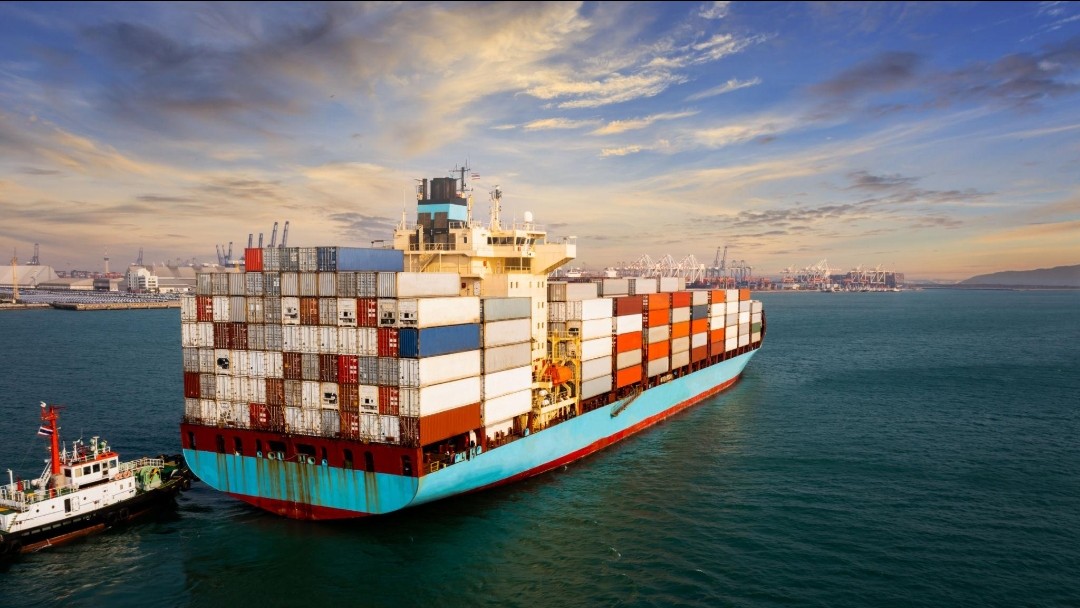
From smartphones and shoes to medicines and food ingredients, modern life depends on one invisible system: global shipping. Every day, thousands of cargo vessels cross oceans carrying the products that fill store shelves and power industries.
Today, that system is under renewed pressure.
Shipping costs are rising in several major trade lanes as fuel prices, route uncertainty, insurance expenses, and container demand create fresh challenges. Economists warn that if these pressures continue, the effect could eventually reach households through higher consumer prices.
For ordinary families, global shipping may feel distant. Yet the cost of moving goods across seas often determines what people pay in local markets.
That is why this story matters far beyond ports and shipping companies.
Why Shipping Costs Matter to Everyone
When transport becomes expensive, businesses face a simple choice:
Absorb the cost and reduce profit
Raise prices for consumers
Cut staff or investment elsewhere
Reduce product variety
In reality, many do a combination of all four.
Shipping affects:
Electronics imports
Clothing retail
Furniture prices
Food supply chains
Car parts
Medical equipment
Industrial materials
Even products made locally often rely on imported components.
Human Story: The Shop Owner
A retailer running a small home goods store notices replacement stock now costs more than last quarter.
Freight charges have increased. Delivery times are longer. Suppliers are uncertain.
The owner faces a painful question:
Should prices rise and risk losing customers—or stay low and accept smaller profits?
This is how global trade stress becomes local business stress.
Human Story: The Family Budget
A family shopping for school supplies, appliances, or groceries may not realize shipping costs are embedded in final prices.
If logistics remain expensive:
Imported foods may cost more
Electronics deals become rarer
Seasonal products rise in price
Delivery fees increase
Inflation often begins quietly.
Why Costs Are Rising Now
Several forces are combining:
1. Fuel Prices
Ships use large amounts of fuel. Higher energy costs quickly raise voyage expenses.
2. Route Uncertainty
Geopolitical tension can force longer or riskier routes.
3. Insurance Premiums
When seas become riskier, insurance costs climb.
4. Container Demand
If demand surges unevenly, available containers become more expensive.
5. Port Delays
Congestion and labor bottlenecks slow movement and increase costs.
Which Regions Are Most Sensitive?
Trade-heavy economies in Asia, Europe, and the Middle East are watching closely.
Major import-dependent markets may feel the strongest effects first, especially where:
Consumer goods rely on imports
Manufacturing uses overseas components
Currency weakness adds pressure
Impact on India and Asia
Asian markets depend heavily on maritime trade. Rising shipping costs can affect:
Retail imports
Manufacturing inputs
Fuel-linked freight
Export competitiveness
For India, this may influence:
Electronics prices
Auto parts costs
Consumer goods imports
Export margins for manufacturers
Could This Become Another Inflation Wave?
Not necessarily—but it is a risk.
If shipping costs remain elevated for months, some businesses may gradually pass increases to customers.
That can influence:
Consumer inflation
Interest rate expectations
Wage pressure
Retail spending
Central banks watch such trends carefully.
Who Benefits?
Some sectors may gain:
Shipping companies with strong pricing power
Logistics firms with premium routes
Domestic producers competing with imports
Warehousing businesses
Economic pressure rarely hurts everyone equally.
What Consumers Can Do
Families cannot control freight markets, but they can respond smartly:
Buy essentials earlier if needed
Compare brands and retailers
Delay non-urgent big purchases
Watch delivery charges carefully
Calm planning beats panic buying.
What Happens Next?
Best Case
Fuel prices ease, routes normalize, costs stabilize.
Medium Case
Costs stay elevated but manageable.
Worst Case
Multiple disruptions create another supply chain shock.
Most analysts expect a middle path—but uncertainty remains.
Why This Story Matters
Trade is the bloodstream of the global economy. When movement becomes costly, everyone eventually feels it.
From a port worker to a shopper, a factory owner to a student ordering a laptop, shipping matters.
Conclusion
Rising shipping costs may sound like a business headline, but they are really a household story in slow motion.
What happens on oceans today can affect store shelves tomorrow.
That is why the world is watching freight markets again.
Editor’s Note
Consumers often notice inflation only at checkout counters. But many price increases begin months earlier, on ships crossing the sea.